First, this is my own best translation of Daniel 9: 27 from the Old Greek.
It’s not polished but I made it clear that the Shmita or Sabbath Years, which are the final years of Shmita Cycles, are what Daniel meant when He wrote ‘appointed times’. That’s because there are very long term prophesies in Daniel 9, especially the 7x7x70 prophesy of Dan 9:27, which is found only in the Old Greek. Daniel was well aware of Shmita Cycles because he was in Babylonian captivity when he wrote it. The reason God gave Judah for their 70 yrs of captivity was that they’d ignored the Shmita/Sabbath year land rests for 490 years.
Most importantly, the word ‘ετος’ usually translated as ‘years’ also means clansmen; That’s because it was an expression in a Greek culture, which had no birth control, where men had multiple wives, and where much of the population was babies, children and females who’s hands were full and couldn’t do many other jobs, especially those which required a lot of physical strength, such as trained fighters. So “We need some years” was an expression for we need some capable men. Note that King David had 62 clansmen assigned as gatekeepers or temple guards. See 2 Chronicles 26.
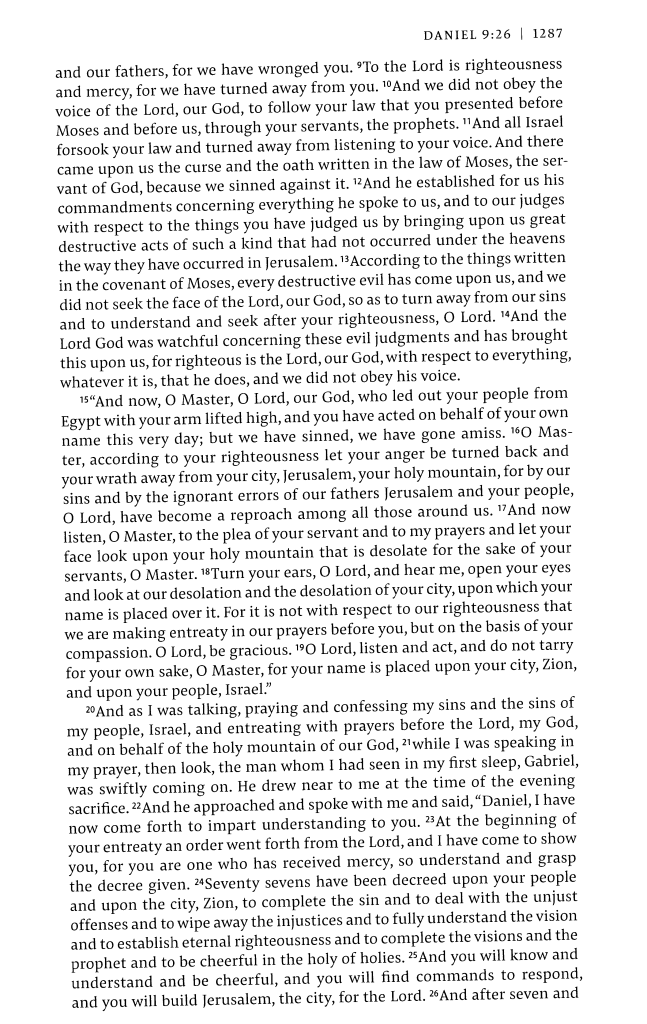
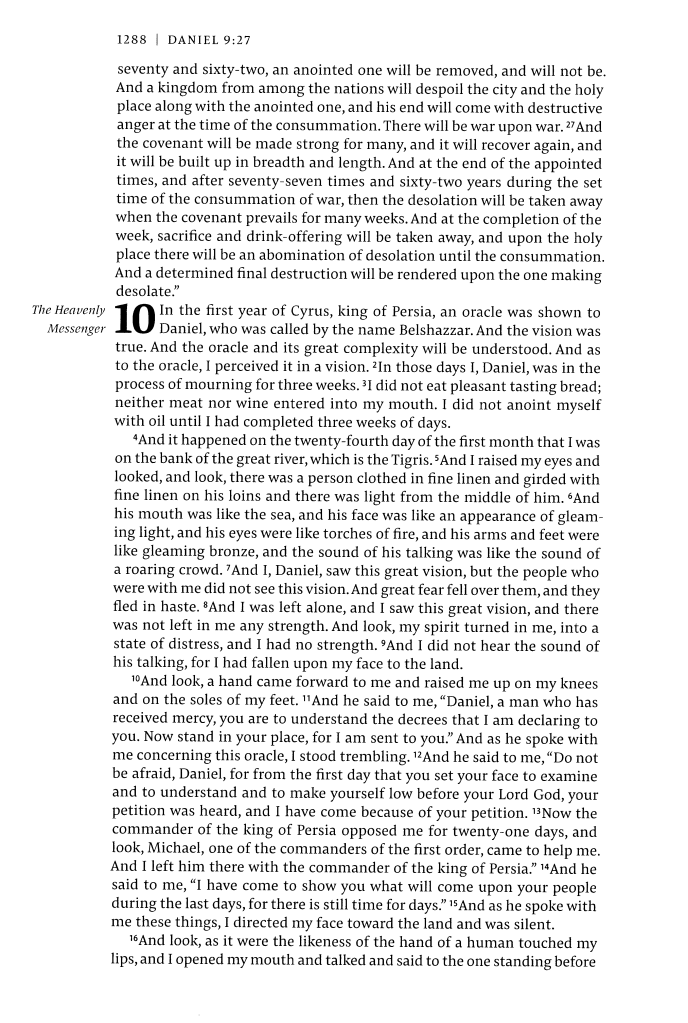
Daniel 9:27, Many support a ruler/prince who agrees to bring the Covenant back to life – rebuilt with length and width according to end time standards – after 490 Shmita/Sabbaths, also with 62 clansmen (temple guards). Until, at the right occasion for consummation or joint payment for public burdens, war will be against it, attempting to desertify it. The covenant will be greatly prevailed upon after many weeks. Sacrifice, libation and great the sacred thing will be taken away. But by then the Covenant will have reached its fulfillment. Abomination making desolate will exist until a joint payment for public burdens will be given – great desertification.
Old Greek Daniel 9: 24-27
Some Septuagint English translations of Daniel come from Old Greek but most come from Theodotian.
Lexham English Septuagint 2nd edition (Theodotian)
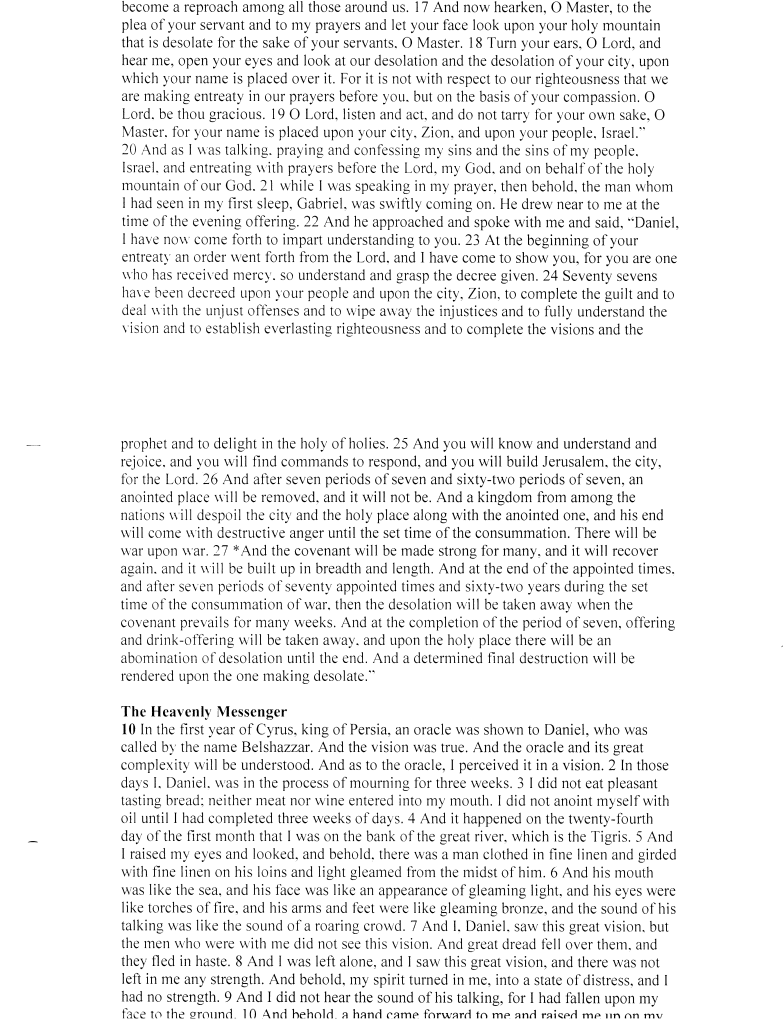
NETS Translation (Old Greek)
Both versions, Old Greek and Theodotian, side by side, based on critical edition of Joseph Ziegler and Oliver Munnich
Uploaded twice, scanned by jpeg and pdf.
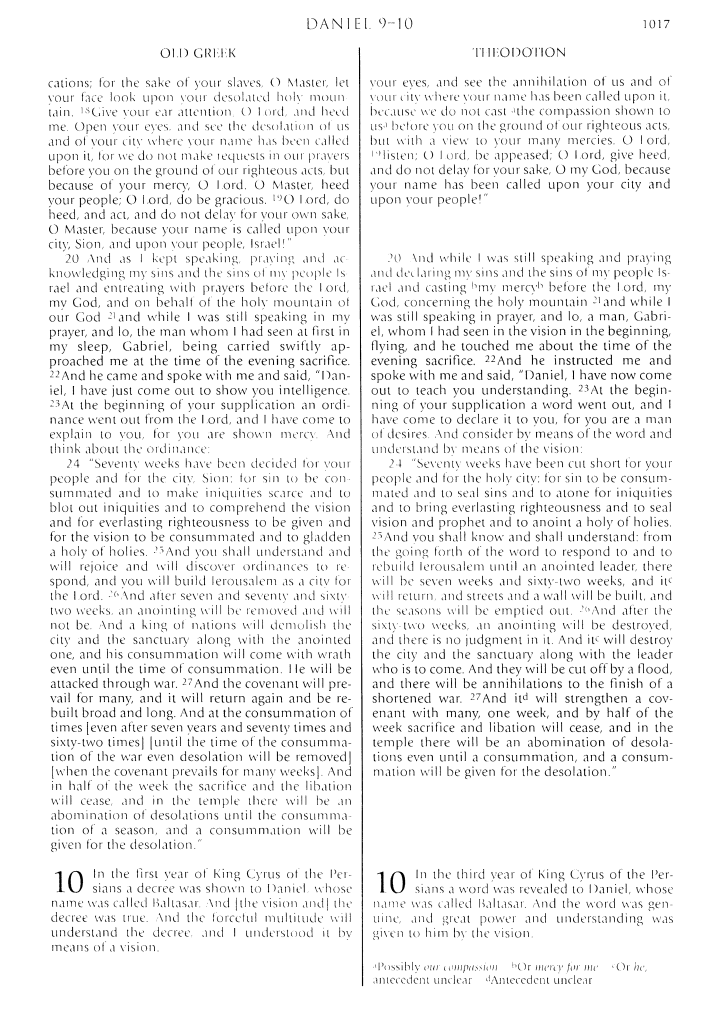
Here’s the PDF
THE ONES BELOW ARE NOT OLD GREEK!
They have Theodotian’s version. But since they are not exactly the same as the Masoretic versions, they can still be interesting and useful.
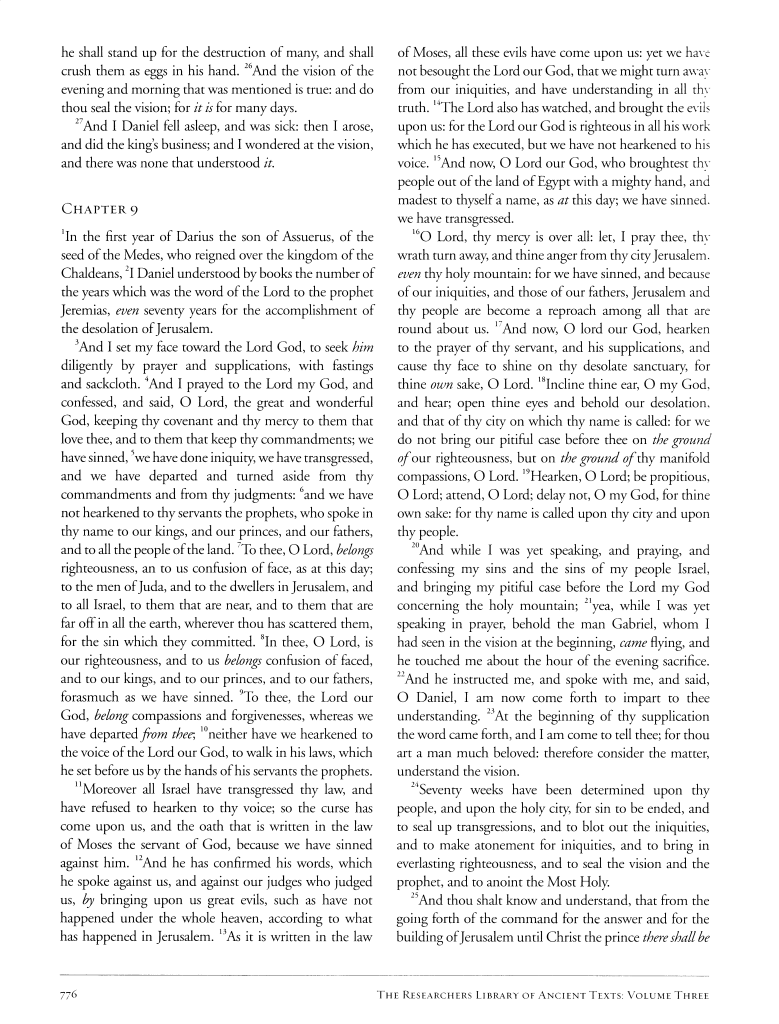
The Researcher’s Library of Ancient Texts
Volume III
The Septuagint
1851 Translation by Sir Lancelot C. L. Brenton
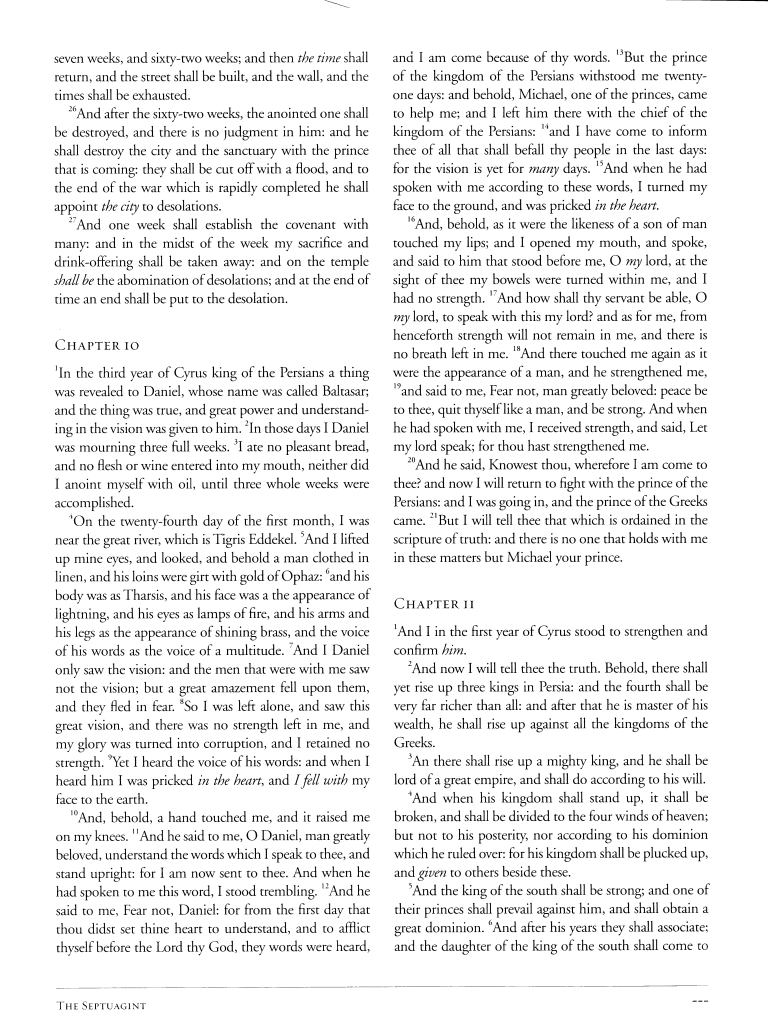
Lexham English Septuagint 2nd edition (two pages)
(Theodotion based)
To reach me by Email: Taylor.blaise777@goldfishgateway.com
Blessings and Keep Watching for Jesus!
 AlephTav.blog
You must be logged in to post a comment.